

It’s been a while, but I’m back with new paintings & prints. Becoming a father made me the luckiest person alive, though I also faced another health setback in 2024. It took some time to recuperate, but I’m fortunate to be able to continue my work again.
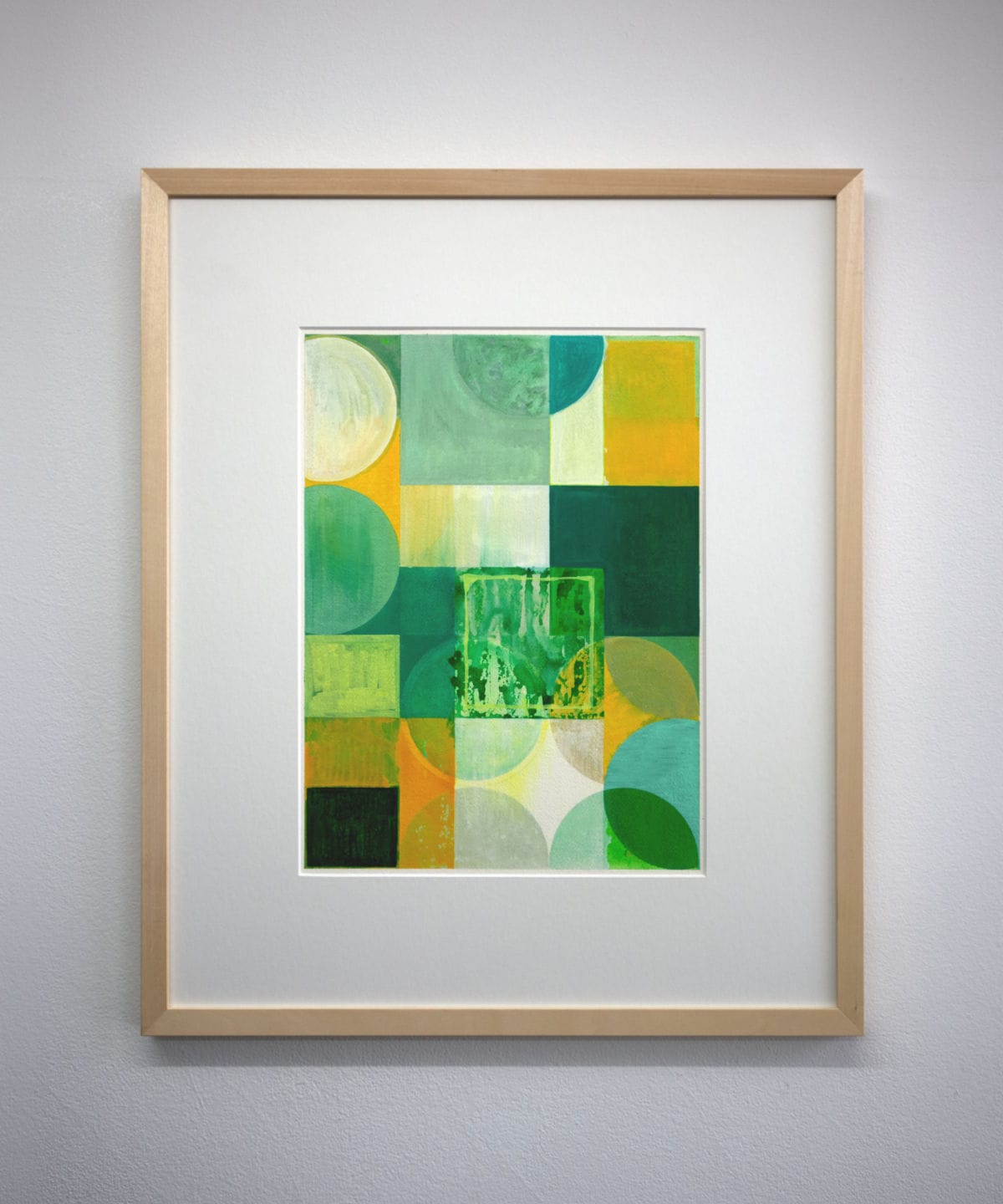
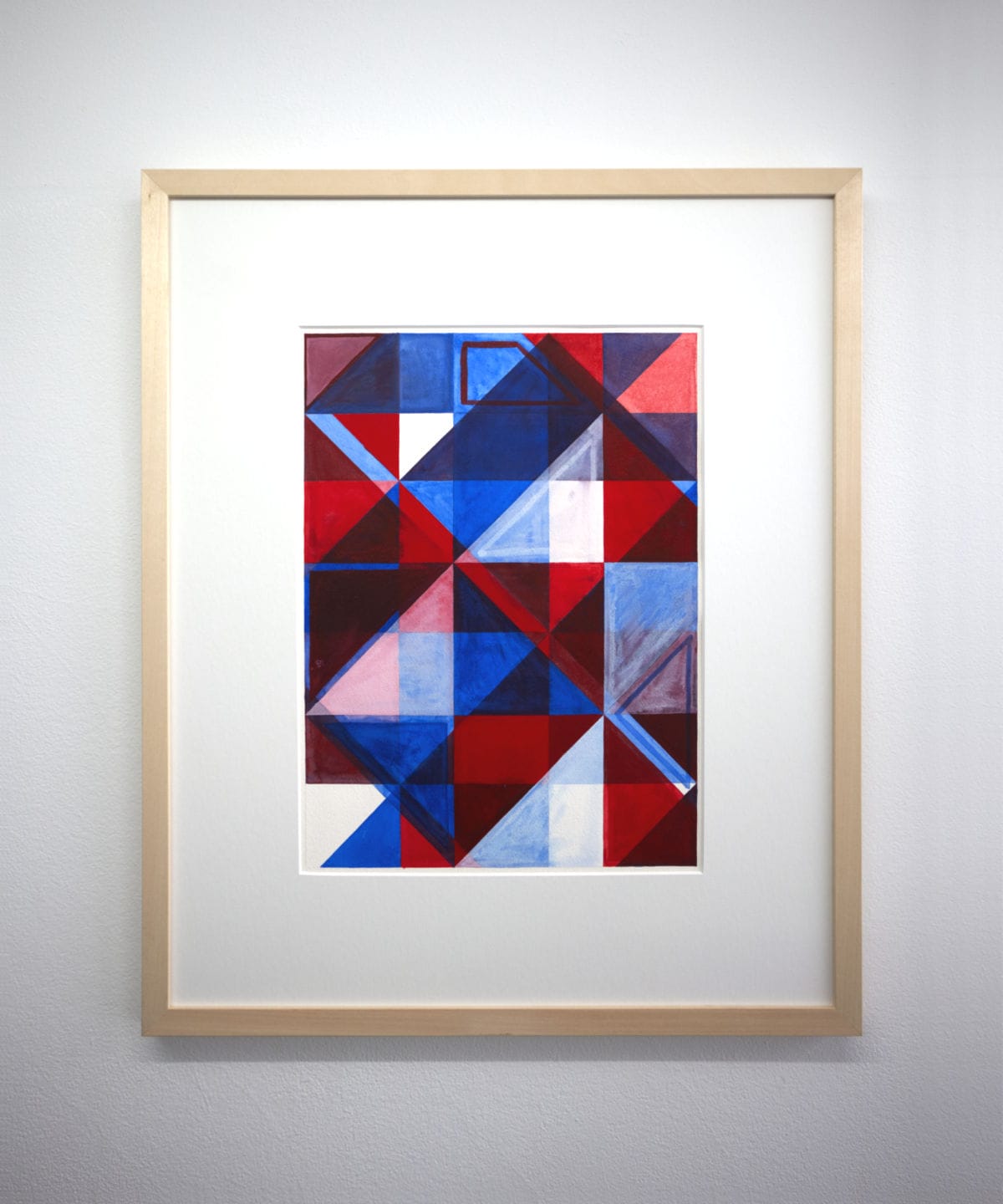
You Have To Change, To Stay The Same (Parts 1–4)
In You Have To Change, To Stay The Same (Parts 1–4), each pattern is derived from an earlier painting. But the way I engaged with it has changed to reflect my current painting process. A key feature of this new watercolour series is the use of a non-solvent that reacts with the underlying paint layer. Watercolour is fluid: it either flows freely or not at all, and even when dry, it remains soluble.
By adding this non-solvent, I can create a transparent finish that stabilises the colours, sometimes preventing the usual flow, or conversely, causing the new paint layer to be repelled. These technical choices aren’t simply visual disruptions. They are intentional acts of breaking away from rigid structures. They reflect the struggle with my obsessive perfectionism and my ongoing search for that sublime in-between moment, where pattern and breakthrough encounter each other.


A Random Systematic 01, 02
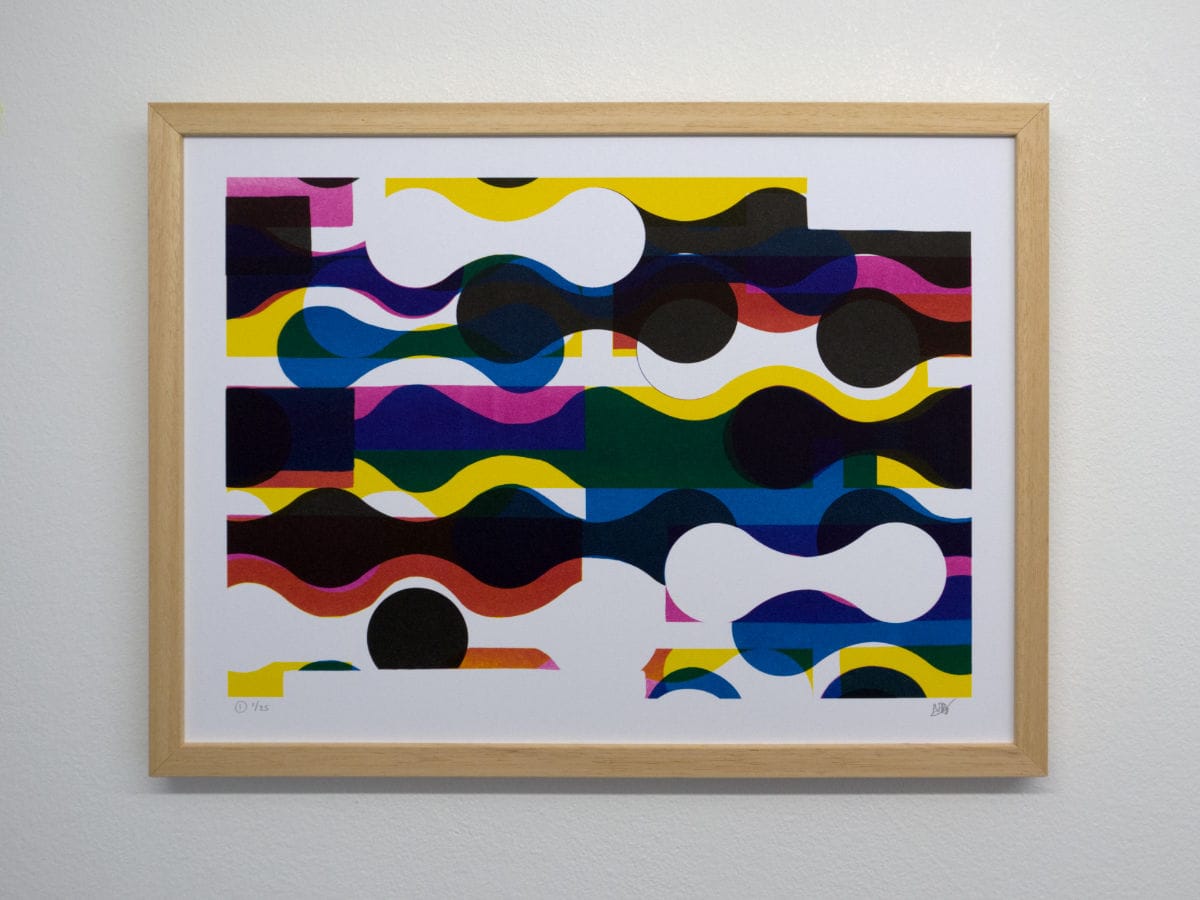
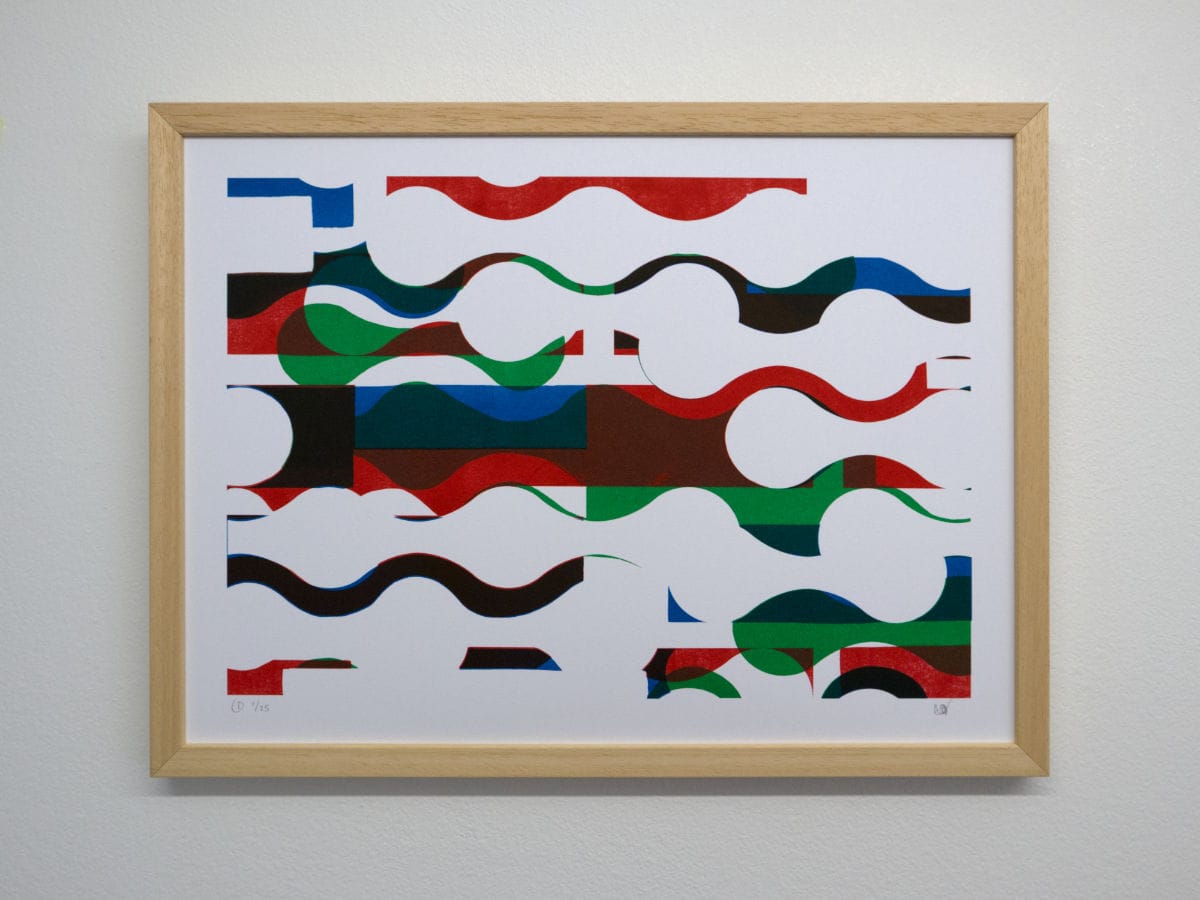
Another new work I’m very proud of is the creation of a Riso print. Creating digital work has always been a challenge for me. As it often feels too rigid and leaves no room for imperfection. That’s why I began painting digitally on an iPad, integrating manual elements to preserve that space between pattern and variation.
A Random Systematic 01, 02 stems from my fascination with the emerging digital market and the blockchain as a system for storing data. Such as cryptocurrency and digital certificates of ownership (NFTs). I was intrigued by how this system operates, consisting of a chain of blocks that continuously verify each other. When one block is altered, all subsequent blocks must be updated as well. Within this I see parallels with my own painting technique.
I represented the blockchain as a pattern of geometric building blocks contrasted with a chain of organic forms. The (painting) process revolves around the interplay between both elements. Ultimately leading to the sublime moment that emerges from the tension between the handcrafted digital painting technique and the predefined rigid pattern.
With the use of Risograph printing I could make another element between the digital and analog world. Risograph, is a digital printing technique in which a separate stencil is created for each color and the paper must pass manually through the printing machine again for every layer. The colours are printed transparently on top of one another, resulting in new imperfect outcomes.